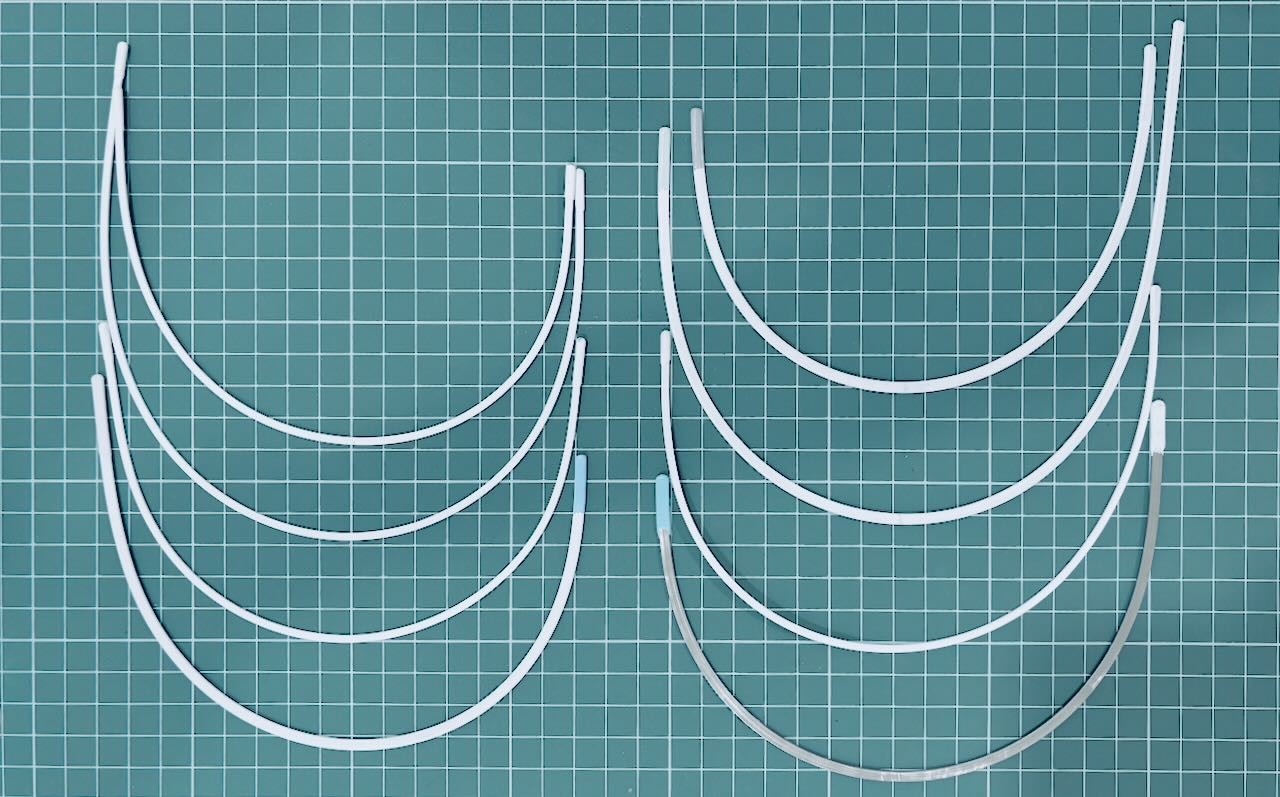
Decoding Underwire Styles (Part 2)
A deep dive into Vertical and Omega underwires: how they differ from Universal U wires, who they suit, and how to choose for full-cup bras.
Welcome back to our underwire deep dive! In the last post, we covered the classic Universal wire. For years, that was the OG, the go-to for pretty much every bra project on the planet.
But today, the bra-making world has a much bigger toolbox! If you ask for advice—especially for fuller cups—you’ll hear a chorus: "You have to try Vertical wires!"
So, what's all the hype about? Think of it this way: If the Universal is your comfy 'little black dress,' the Vertical is your bold 'red lipstick.' It’s designed for adding oomph and delivering support right where narrow roots need it most.
But hold up—‘Vertical’ isn’t the only new kid on the block. You’ve probably heard about ‘Omega-shaped breasts’ right? Well, there’s an Omega wire too. Wait… aren’t they both for narrow roots? What’s the real difference?
In this post, we’ll sort it all out: diving into Vertical and Omega wires, what they do, and exactly when to reach for each. Let’s unravel the mystery!
Meet the snug embrace of Vertical & Omega
Is it vertical, is it bliss, how about ‘vertical bliss’? 🤪 Wait, its kinda omega too. 🤔
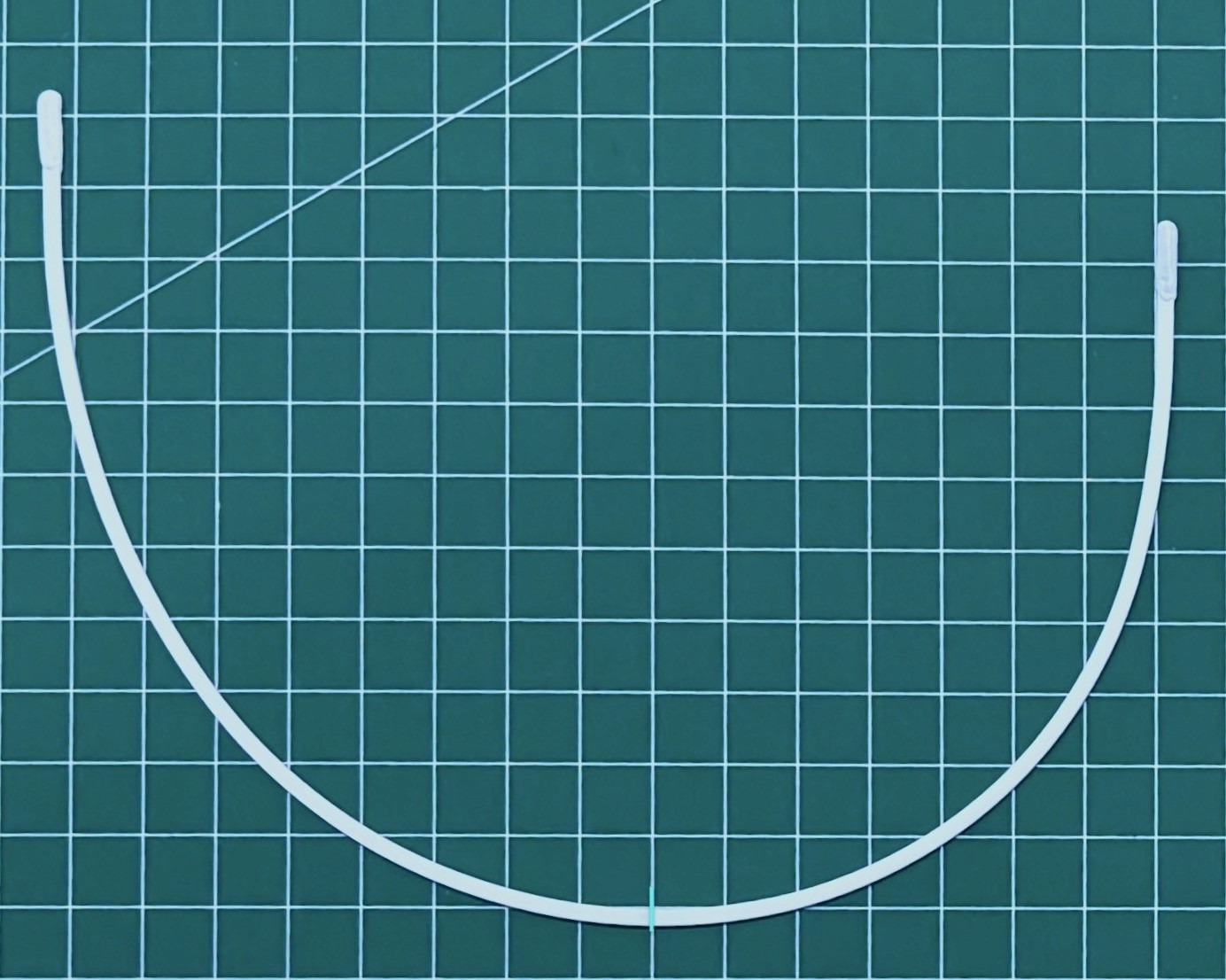
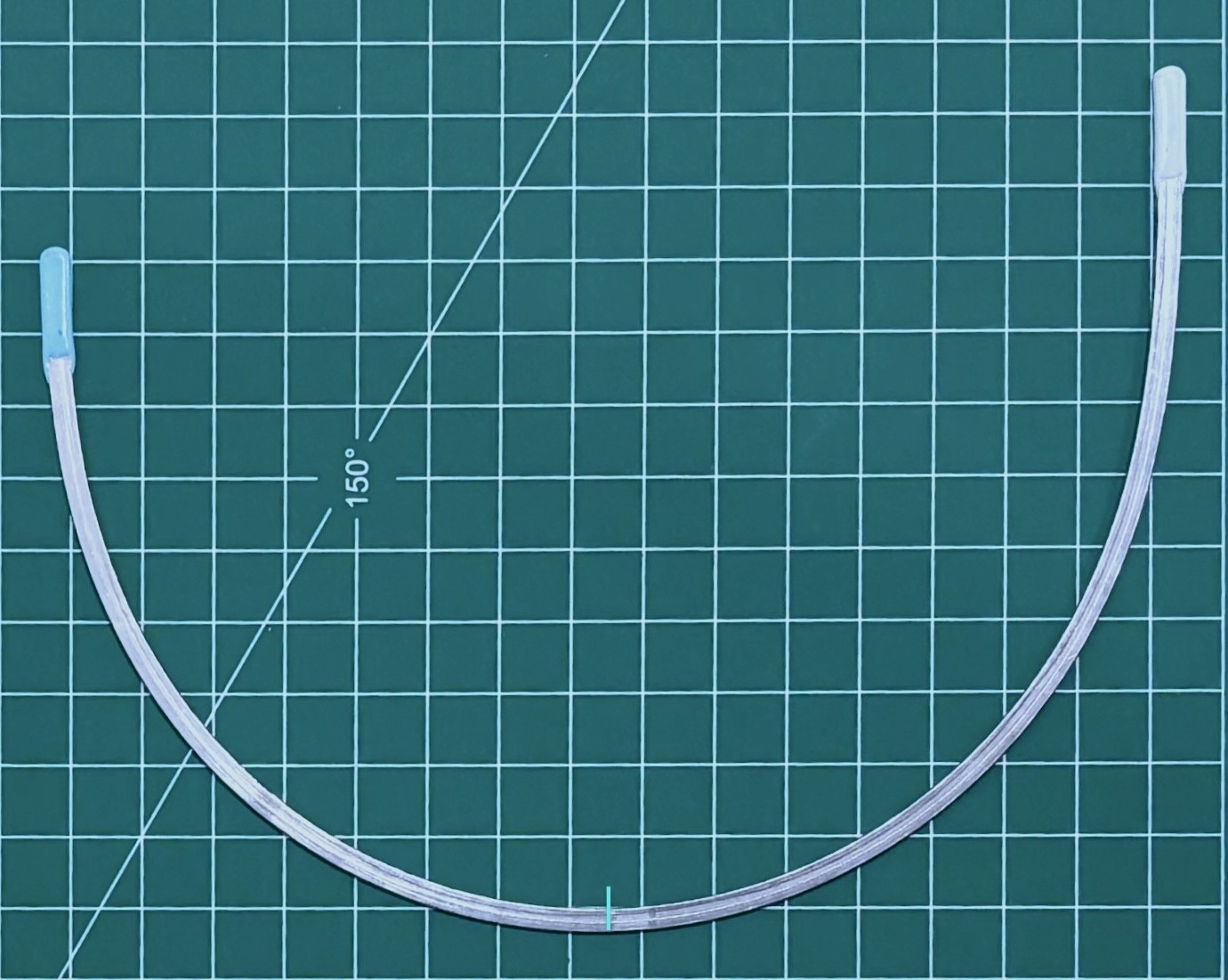
Fig 6. 'Vertical wire' from an RTW and 'Universal wire' from an RTW
Both the wires in Fig 6 above look same, right? They are actually two different styles. One of them is the good old Universal wire (that we also saw in last post) while the other is actually a Vertical wire!
Can you tell how are these two different? Look closely at the bottom most point of both the wires (it is marked with a small blue tick). In the Universal wire (the one with the blue cap on the center front side), the bottom blue tick is exactly at half-way mark in terms of width. But, that's not the case with Verical wire. The bottom blue tick is more towards the center front. Fig 7. will make the geometry of the vertical wire more clear.
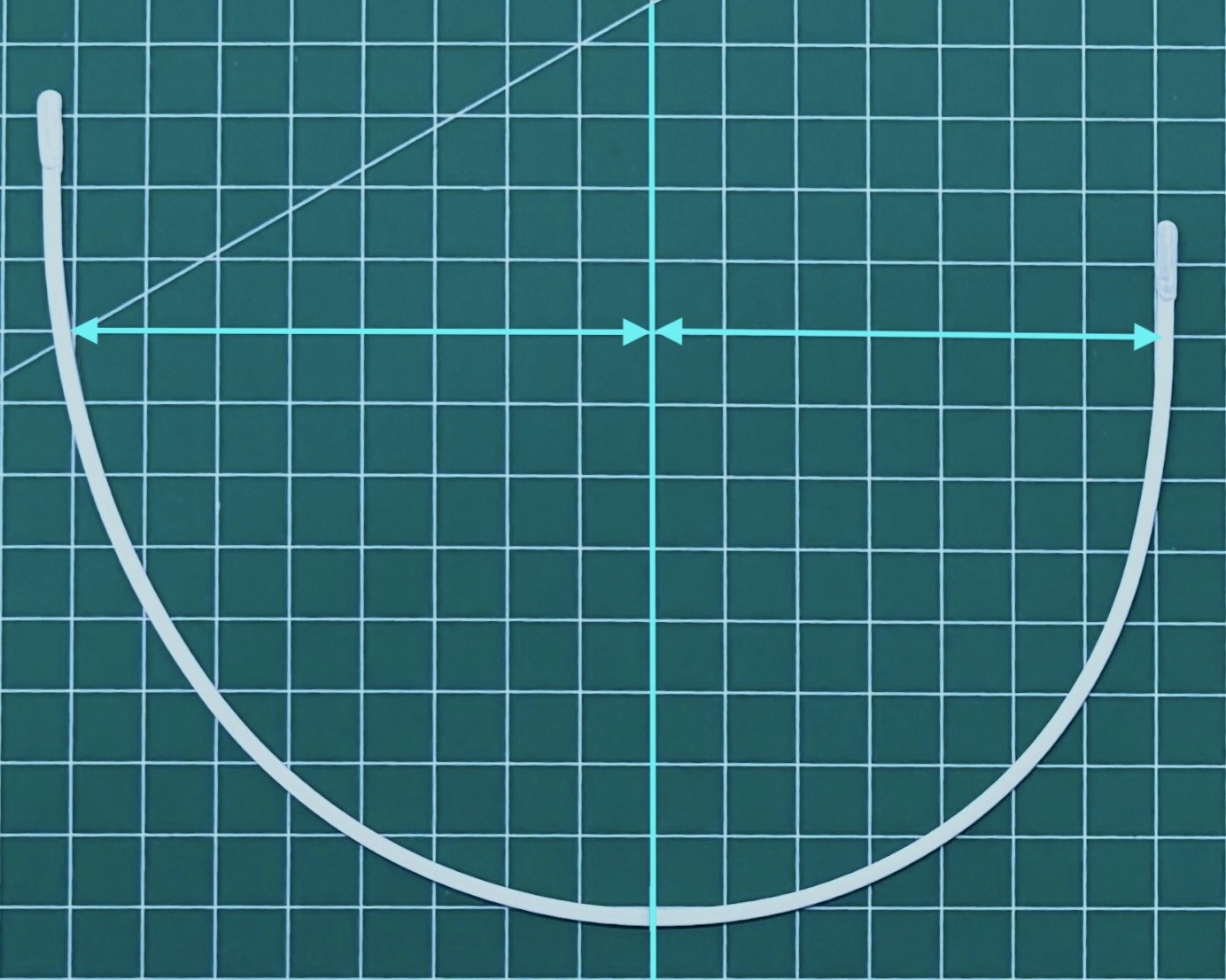
Fig 7. Geometry of the 'Vertical wire' from an RTW explained
Shape:
Remember how the Universal wire is shaped like a simple, symmetrical semi-circle?
In contrast, the Vertical underwire has an asymmetrical, hybrid shape. Think of it as two separate shapes fused together at the bottom:
- The armhole side is a wide quarter-circle.
- The center-front side is a narrower quarter-ellipse.
This is why it’s often called an “elliptical” wire; the name points to its distinct, asymmetrical half.
But why does the Vertical wire have such a complex shape, and what makes it so suitable for larger cup sizes?
You are probably familiar with the classic method of wire sizing. According to it, for any given band size, as the cup size grows, the wire size has to go up too. But here's the catch: the center points of your breasts (and hence the wires) don't move further apart. That space in the middle is fixed.
This creates a major roadblock. As you can see in Fig 8., you run out of room at the center very quickly (around D cup)! RTW brands that blindly increase wiresizes ignoring this make for really uncomfortable fits.
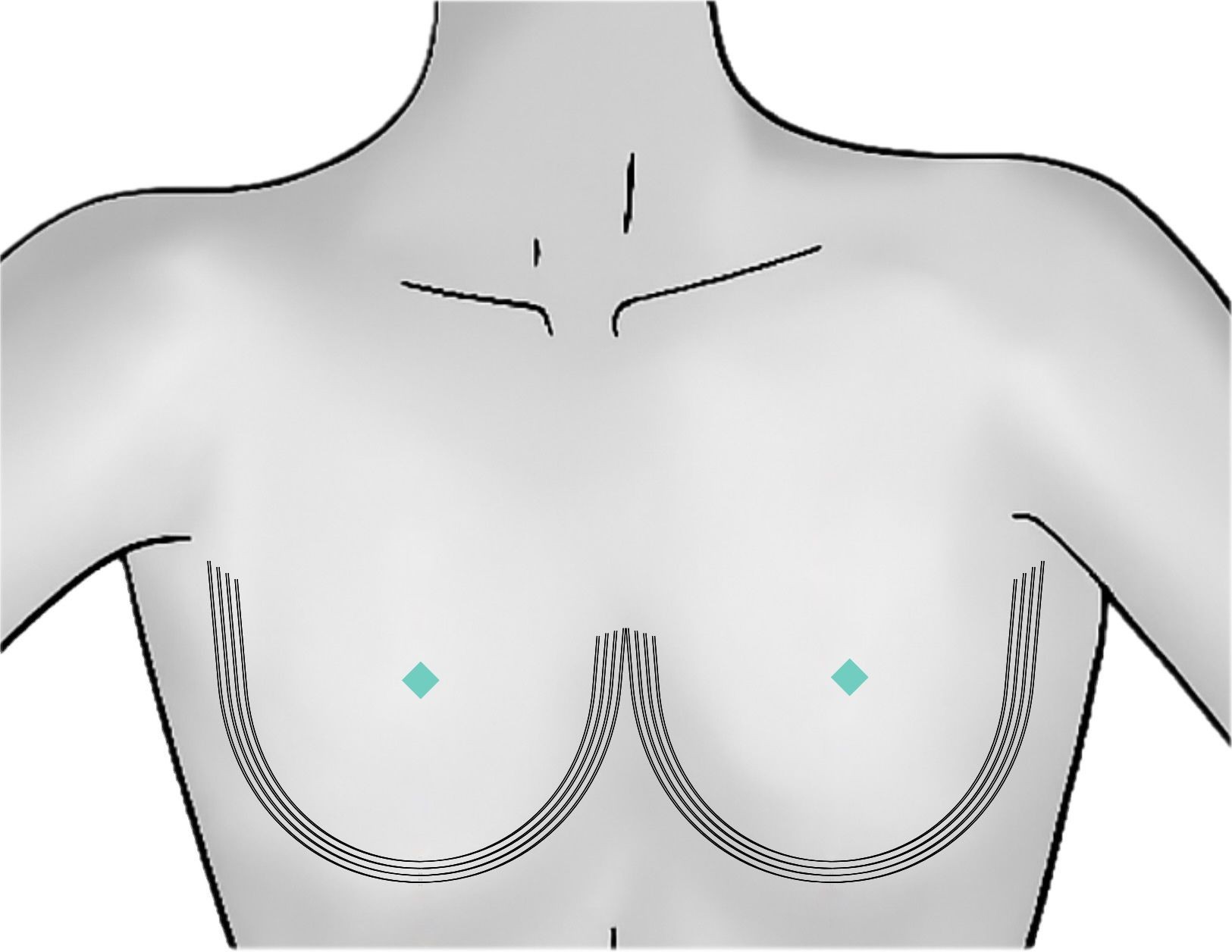
Fig 8. Various sized Universal wires placed on a torso
The Vertical wire provides a much more elegant solution.It breaks the symmetry rule by growing cleverly. The tall, slim quarter-ellipse side holds the line at the front, fitting neatly into that fixed space. All the extra capacity comes from the wide, round quarter-circle side, which extends out towards the underarm. It's the perfect way to allow room for a wider base where possible without sacrificing a close, comfortable fit at the center.
So this wire is for larger busts with a narrow central gore? Well yes, but there's more. That is a powerful usecase of Vertical wires but not the only one. Let's take a deep dive with actual examples to find out more…
Looking at actual wires…
Both Porcelynne & BMS carry Vertical wires. Emerald Erin also offers Vertical wires but under the name 'Bliss wires'. Here’s the thing though – Emerald Erin’s Bliss wires and BMS Vertical wires are essentially identical, so I’ll just call them “Bliss Vertical” going forward to keep things simple.
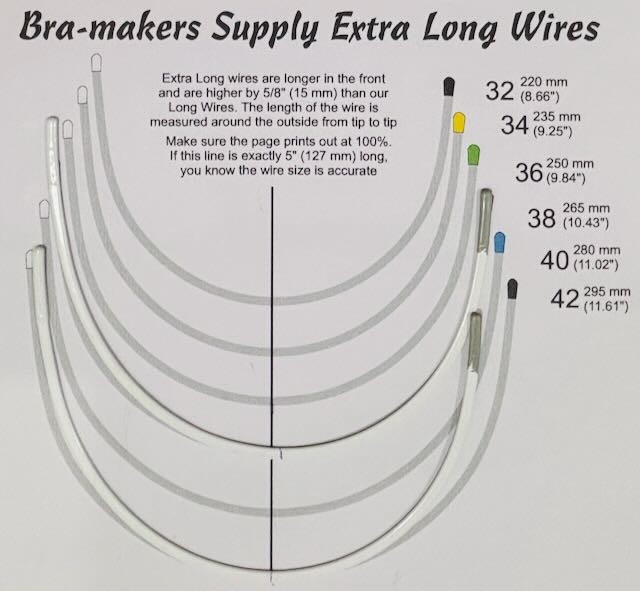
Fig 9A. Porcelynne Vertical (size 42) compared to Universal wire chart
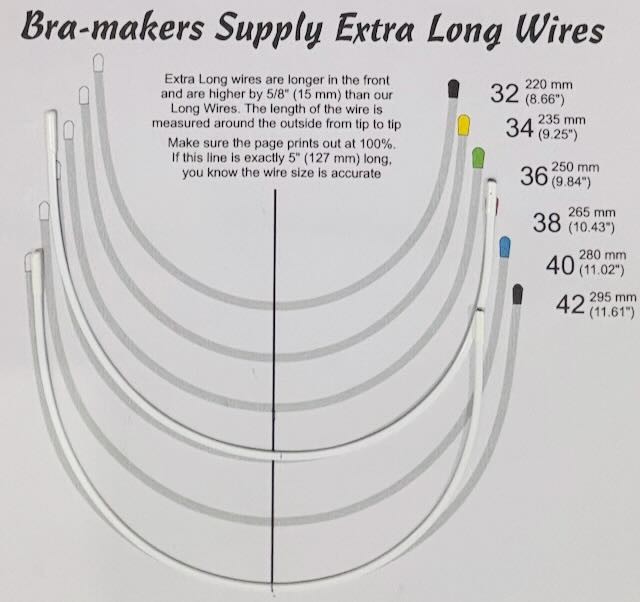
Fig 9B. BlissVertical (size 42) compared to Universal wire chart
In Figures 9A and 9B, size 42 of each Vertical wire brand is overlaid on a Universal wire chart.
A quick but important note on the chart we're using: for our Universal wire baseline, we're using BMS Extra Long because it’s the closest match available for length. However, please remember that these wires have a small amount of built-in splay making it slightly different from a true, zero-splay Universal wire.
Same Size Vertical & Universal:
The size 42 Vertical wire is placed directly over the size 42 Universal trace, matching them up at the very bottom of the curve. Just as you'd expect, the center-front side of the Vertical wire is significantly narrower, pulling away from the chart line by about 1⁄2 to 9⁄16 of an inch (roughly 1.3 cm). A key thing to remember is that this gap stays consistent, whether you're working with a size 30 or a size 58. The armhole side however almost matches to the Universal wireline.
The "Plus Two Sizes" Rule:
The most interesting thing however is when size 42 Vertical wires are compared to size 38 Universal trace: the width matches perfectly! This brings us to a crucial point: Going up two sizes in Vertical wires matches the overall width of Universal wires. This is your baseline conversion. (eg. size 38 BMS Extra Long -> size 42 Bliss Vertical, size 42 Porcelynne Vertical).
However, do note that the bottommost points don’t match here because of the vertical wire’s asymmetrical shape. Look closely for the bottom blue tick on the Vertical wires. Comparing just the width of the center-front side, size 42 Vertical wires are narrower than size 38 Universal. (Vertical wires have been moved slightly more towards center-front side when placed on size 38 wireline as compared to size 42).
Coming back to the shape of the Vertical wire, we saw it can be easily mistaken for classic Universal wire (with no built-in splay) in Fig 6 but we never really discussed splay in Vertical wires so lets get into it..
Splay:
Vertical wires lack built-in splay by design, quite unlike Universal wires, where versions with built-in splay are not only available but are the more popular choice. However that does not mean that wires also do not have the capacity to splay.
So, what happens when these wires are put under tension during wear? how do they behave compared to Universal wires? Does the splay change the game?
Fig 10A. Porcelynne Vertical (size 42) splay
Fig 10B. BlissVertical (size 42) splay
Sizing Strategy:
For any given Universal wire size (based on your breast root width), there are multiple Vertical wires that could technically "work." However, you generally have two primary choices: Match the width or match the center-front. What you choose will dramatically change the fit and silhouette.
Option 1: Match the overall Width (The "Power" Fit): Essentially narrowest wire you can wear.
For size 38 Universal base size, this would be either size 40 Bliss Vertical (narrowest) or size 42 Porcelynne Vertical.
If you choose to match the width, you'll get a snug fit close to an unsplayed Universal which will give you more projection. And at the same time, narrower center-front (matched with the right cup pattern) will push the busts more towards each other maximizing cleavage (ooh la la!) while the long stiff wire at the center-front ensures clean separation and prevents uni-boob.
Who it’s for: This isn't just for large busts; it’s a powerful technique for anyone wanting that specific shaping, and it is a game-changer for addressing "East-West" issues. It might surprise you, but switching to Vertical wires can actually make the bust feel lighter. For those with East-West issues, the weight is often pulling outward, which puts an uneven strain on the straps. Vertical wires (paired with the right cup pattern) solve this by centering the bust weight closer to the body's midline. This mechanical shift repositions the load so the straps no longer bear the brunt of the weight, often eliminating strap pain entirely. However please note that using a wire with a center-front narrower than your natural root makes for a more complex fitting.
Option 2: Match the Center-Front (The "Comfort" Fit): Widest wires you can wear without center-front width increasing.
For size 38 Universal base size, this would be either size 44 Porcelynne Vertical or size 42 Bliss Vertical.
If instead you choose to match the center-front, it will fit much more easily and be more comfortable in terms of fitting at the center-front but it is a much wider wire. And, wider base means better weight distribution but also less projection. It will have a minimizer like effect.
Who it’s for: This is generally best for very large busts. For small or medium busts, you’ll likely find "empty space" between where your breast root ends and where the wire sits. There is also risk of wire poking in your underarm.
Ultimately, there is no "right" or "wrong" choice, it's more about what kind of shaping and fit you prefer.
Suitability for Strapless Bras:
Vertical wires, as we discussed earlier, have zero built-in splay also the narrow center-front remains rigid. Armhole side does splay but, if that splay is minimal using them for strapless bra might be possible. However, in this case, you strictly have to use narrowest wire you can fit in (matching center front or minimizer like fit won't work). Porcelynne Vertical could may be work, Bliss Vertical definitely won't.
So far, the two Vertical wires we’ve examined are roughly the same length but what about variations in wire length?Porcelynne actually makes both Long and Short Vertical wires. The shorter version is too short for full-coverage bras, so we’ll skip it for now. But Porcelynne’s Long Vertical wire? That deserves a deep dive.
And then there’s Emerald Erin’s intriguingly named “Omega” wire. With a name like that, how could we possibly ignore it? As it turns out, the wire itself is even more fascinating.
Let’s start with Porcelynne’s Long Vertical first and see what makes it special…
Fig 11. Porcelynne Long Vertical (size 46) compared to Universal wire chart
One thing though, it is significantly tall. Height of size 46 Long Vertical is very close to diameter(width) of 46 Universal wire while its width of the wire is close to diameter of 42 Universal. Meaning this wire is more tall than it is wide. So, most cases this will require cutting. However, cutting the wire will also reduce the splay.
The Porcelynne Long Vertical is a versatile tool if you know its quirks. If you're willing to cut the wire, it can be an excellent substitute for a Universal wire that's two sizes smaller. Just be sure to carefully consider both the final length and how trimming it will impact the splay.
Note: This wire is supported in Calliope but as mentioned, it requires trimming. It is assumed that you have trimmed the armhole side to be only as tall as it's wide (with added room for wire play, that's approx 0.6 inch/1.5cm trim). Aside, this wire should strictly be in Universal wire section. It is here only because of its very confusing name & sizing.
Fig 12. 'Omega wire' size 42 splayed compared to size 42 on BMS Extra Long wire chart
This unique behaviour makes it a surprising star for a notoriously tricky garment: the strapless bra. In the previous post, we discussed how strapless bras need stiff Universal wires (with no built-in splay) to prevent slipping. This would seem to make the super-flexible Omega the worst possible choice, but it’s actually one of the best. Because its splay creates a perfect U-shape rather than stretching past it, you get a stable, snug fit without the extra width that could cause slipping. It's a fantastic, counter-intuitive option that works because of its splay, not in spite of it.
A Practical Guide to Using Omega Wires
Because this wire is defined by its splay, it has a few special rules:
Test it in a bra, never bare. You can't test the fit by holding a bare wire against your body; it will always feel too narrow. It only reveals its true shape when secured under tension in a bra.
Do not cut this wire. The wire's length is essential to its unique splay behaviour. Trimming the ends will change how it flexes and ruin its intended function.
Sizing is critical. The rule is to choose the same size as the smallest Universal wire that comfortably matches the width of your breast root. If the wire is too wide for you, it won't have enough tension to splay into its proper U-shape; if it's too narrow, it won't fit at all.
While it can be one of the most difficult wires to fit correctly, the reward—a perfectly snug, supportive fit—is well worth the effort. This wire is technically a category of its own but I think of it as a specialist in the Universal wire family.
Summary
Yup, its finally wrapping up 🙃
We started with Universal wires in the last post and saw how their basic shape is a semi-circle. Your Universal wire size is your base size. While we’ll cover how to find it in the next post, here is the core definition: your wire size is the one where the horizontal diameter of the semi-circle (forming the wire) matches the horizontal width of your breast root.
Since so many popular styles in Universal wires category are just variations in length and splay, choosing the right style is really about identifying the attributes you need:
Length: This directly impacts support. Longer the wire, more supportive the bra.
Splay: If you compare two wires of the same size and length, the one with more splay creates a wider base for a more relaxed, comfortable fit. Conversely, a wire with less (or no) splay keeps the tissue more contained, pushing it forward for a slightly more projected silhouette. However, more than projection, this "no-splay" look is especially useful for strapless bras or when there is limited space on the torso, such as a large bust on a narrow frame.
In this post, we explored Vertical wires along with specialized options like the Porcelynne Long Vertical and Emerald Erin Omega. While those specialized wires also belong in the Universal wire category, true Vertical wires are a category of their own. Their part-circular, part-elliptical shape allows for unique silhouette options, from maximizing cleavage and fixing "East-West" issues to creating a minimizer fit.
There is this popular belief that figuring out the right underwire means matching the shape of your natural breast root to the various underwires out there and picking one that matches it the most. I don't think that's true at all. I believe the natural breast root is essentially circular. The "odd" shapes we often see are usually the result of tracing methodology and the effects of age, or years of wearing ill-fitting bras. However, this does not mean everyone should wear a Universal wire.
A bra is perhaps the only garment we wear that is designed to actively change the geometry of the body rather than just mimicking it. Other clothes like shirts or dresses are passive because they simply honor the shape that is already there. A bra is different because it interacts with your body to create a foundation that lifts and redistributes tissue.
Whether you choose a Universal or a Vertical wire depends entirely on your goals for the final bra. The Universal wire offers a balanced, natural base, while the Vertical wire provides a unique geometry for more strategic shaping. There is no right or wrong choice here, only informed ones. And, I hope these posts have helped you understand how these wires interact with your tissue and how to pick the one that works for your desired goals.
Underwires for Calliope:
The key reason for writing these posts was to make picking wires for Calliope easier. So, let's wrap with this list of wires that are supported (you will be able to just select them in a dropdown).
Universal (from longest to shortest): Porcelynne Long Vertical (trimmed), Emerald Erin Omega, BMS Super Long, BMS Extra Long, BMS Long or Emerald Erin Round
Vertical: Porcelynne Vertical, Bliss Vertical (BMS Vertical, Emerald Erin Bliss)
Up next:
We have largely covered everything about Underwire selection. However, we haven't spoken much about sizing. So, next up will be a short post on figuring out your base wire size and testing it.
We'd love to hear your thoughts on this post, do tell us in comments…