A practical guide to underwire selection for full-cup bras. Understand the Universal U wire—its geometry, splay mechanics, and how they affect fit.
Ah, the underwire: a hero that sculpts and lifts, a villain that pokes and digs. In a well-fitting bra, the right wire works like an invisible magician, shaping you to perfection. But the wrong one? It’s nothing short of a nightmare.
However, finding the perfect underwire often feels impossible. With cryptic style names like “Vertical,” “Omega,” “Extra Long,” and “Bliss,” it’s like deciphering a secret code. That’s where this guide comes in: a clear roadmap for selecting underwire styles. We’ll explore the key types used in full-coverage bras (think Calliope), compare sizes and shapes, and even talk about how to substitute one for another when needed.
I find it's so much easier to learn with concrete examples! That's why I'll be using wires from Bra-Makers Supply, Porcelynne, and Emerald Erin to illustrate different styles. These brands are popular go-tos, so many of you are likely familiar with them. But more importantly, they have detailed wire charts that serve as ideal references—helping you match your own wires to the ones discussed here.
Ready to unravel the mystery? Let’s dive in…
Meet the versatile classic, Universal U:
some call this ‘round’, some call it ‘regular’ and for the longest time, I thought this was ‘true vertical’ but hey, rose by any name …so, let’s call it the Universal U for now 😉
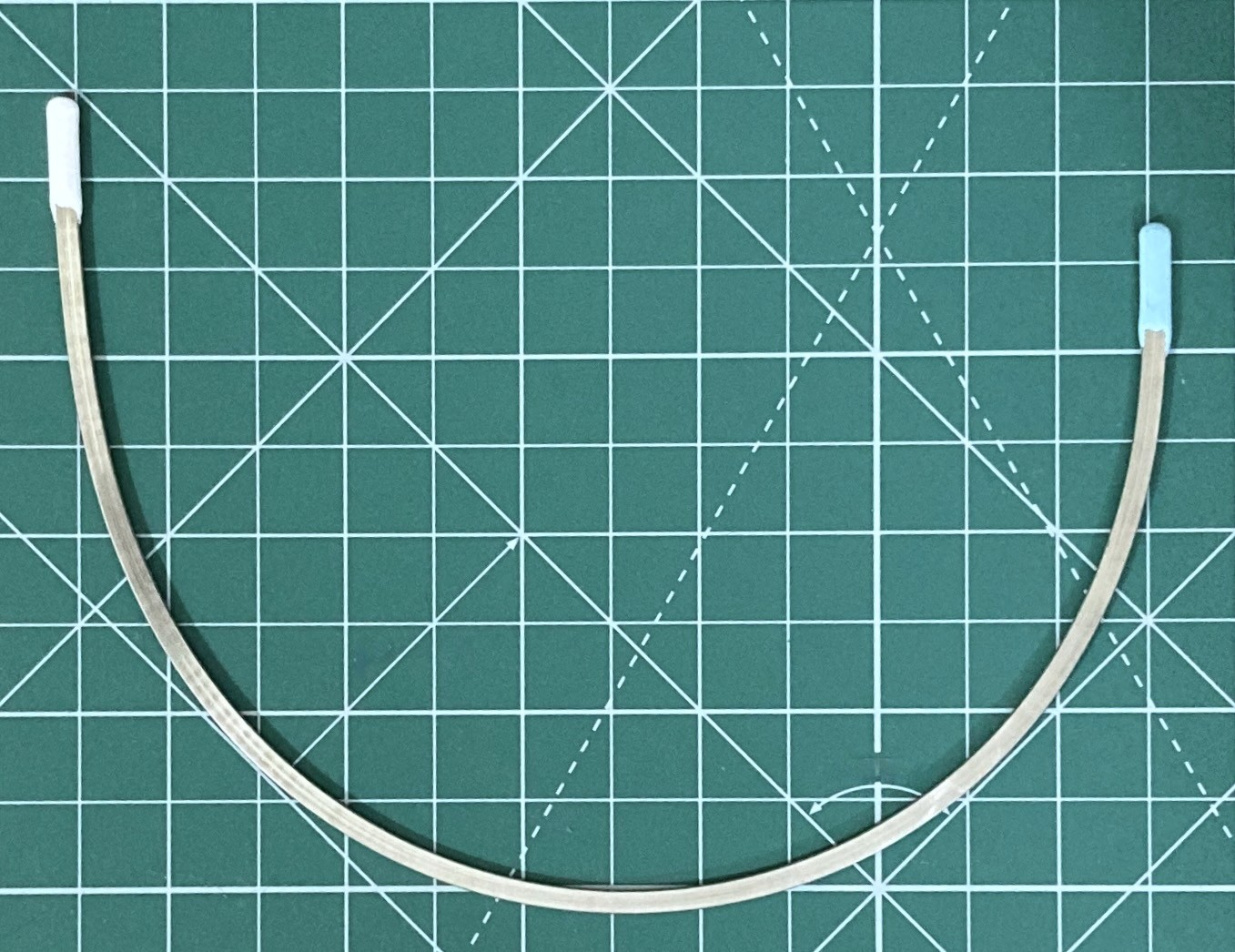
Fig 1a. Sample U wire from RTW strapless bra
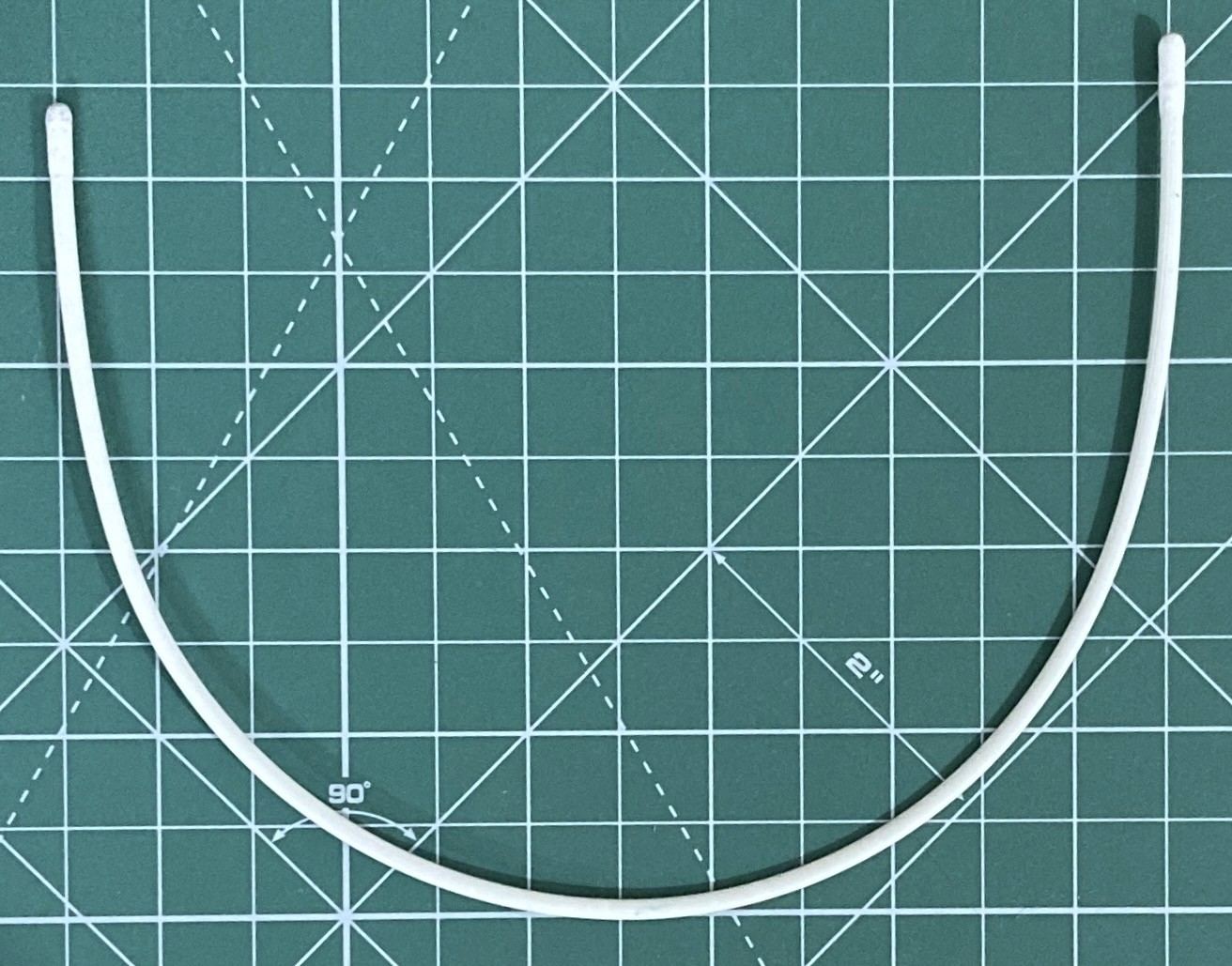
Fig 1b. Sample U wire from RTW full cup bra
The Universal U, is the most common underwire shape you'll find in ready-made bras, suitable for a wide range of body shapes and cup sizes. In Fig 1, you can see the Universal U wire pulled from two RTW bras (both size 32H): One from a RTW strapless bra, the other from a RTW full cup bra similar to Calliope. (RTW: Ready-to-wear or readymade)
Shape:
Imagine a half-circle (radius determined by size) with straight ends extending upwards. That's the Universal U wire in its most basic form. Its unassuming shape belies its versatility. It's like the "little black dress" of underwires – classic, reliable, and adaptable to nearly any bra style. In most cases, you can find a U wire size that provides a comfortable fit at your breast root, even if it's not your preferred choice.
Building block:
Understanding your U wire size is essential because it’s the foundation for most other underwire styles. The Universal U is the blueprint from which most other wire shapes are derived. Many popular wire styles are simply U wires tweaked with length, splay, or both.
To understand this better, first let’s talk about splay …
A quick primer on Wire splay (also known as wire spring)
Wire splay (or wire spring) is the change in shape of the wire when subject to tension (like in a bra when worn). The curve of the wire opens up, as shown in the sample videos below.
Fig 2a. Splaying the U wire from RTW strapless bra
Fig 2b. Splaying the U wire from RTW full coverage bra
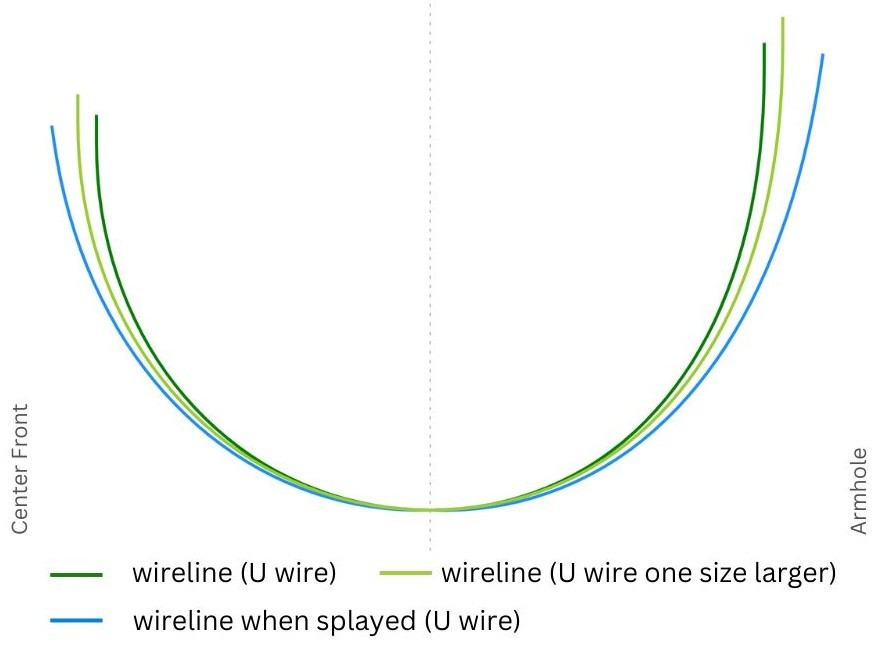
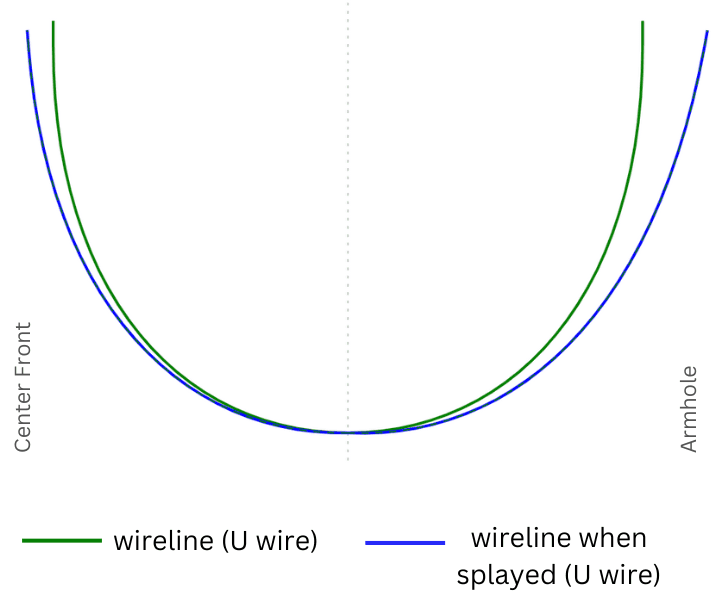
Fig 3. 'U wire' original wireline vs splayed
Think of the U wire as a flexible arc. When tension is applied, it naturally widens at the top, like a bridge under pressure.
In Figure 3, the dark green line shows the U wire in its original state, while the blue line depicts its splayed form. And, as you can see, in this particular case, the wireline gets even wider than an unsplayed wire one size larger (light green line).
There are stiff wires (like the one in fig 2a) with minimal to zero splay, but they are exceptions (typically meant for strapless bras) rather than the rule.
Opinions are divided on whether wire splay/spring enhances support in wired bras. However, the reality is that in a properly fitted bra with sufficient tension, the underwire will naturally splay to some degree. The extent of splaying depends on three key factors:
wire material : As you saw in Fig 2a vs Fig 2b, some wires are made of more stiffer material then others
wire length: Between two wires of same brand(material), same size, if one is longer than the other, it’ll splay more. And this also means that, between two wires of same brand(material), same style, splay increases as you go up in size.
tension in the bra: This is bit of a chicken & egg issue ;) Any well fitted bra has some amount of tension. Now, if you incorporate wire spring/splay in the band, there will be increased tension, which in turn will cause the wire splay. However, if you don’t incorporate wire splay at all but the wire is made of softer material with higher tendency to splay, it will still splay but the tension in the bra will reduce to sub optimal levels and fit won’t be as good. (Yes, this is also means you can get away with not incorporating splay when using very stiff wires. As long as the wire doesn’t splay, there won’t be any substantial reduction in tension.)
Armhole side splay vs centerfront side splay:
If you try to simulate wire splay (outside of a bra) by using fingers to apply pressure, you will actually find that both sides of the U wire can splay and often extent of splay is also equal. However most of the bra patterns that you will come across will have allowance for splay only on the armhole side. Even the few rare ones that do have splay on centerfront side, the extent will be much smaller compared to armhole side. This is because, the amount of tension the wire tip at centerfront is subjected to is minimal compared to armhole side. If required, you can leverage a small amount of splay at centerfront (usually called double spring) or you can have splay entirely on armhole side (like majority of RTW bras as well as most bra patterns).
Built-in splay or permanently sprung wires:
Simply put, wires that already look splayed (have a wider top like the blue wireline in Figure 3) even when no tension is applied to simulate splay are wires with built-in splay or permanently sprung wires.
Shorter wire styles typically have built-in splay, though this isn’t exclusive to them. Because shorter wires naturally splay less due to their length, some amount of splay is built-in to help compensate for lack of splay. This is especially true for shorter wires at the center front, where built-in splay on centerfront side helps ensure that the wire does not poke the breast tissue. Longer wire styles typically have minimal to no built in splay.
Underwire Styles from the house of Universal wires:
We've discussed "shorter" and "longer" wire styles, but what do these terms mean?
Remember the classic U wire is a half-circle with straight ends. "Longer" wires follow this exact shape, with a full half-circle and two straight extensions. In contrast, "shorter" wires are typically missing the centerfront extension and may even have a portion of the half-circle removed. These shorter styles are more ideal for demi bras and plunge bras while the longer ones are more suited for balconette & full cup bras. As you can probably guess, higher the bra coverage, longer the wire. The best U wire for a full cup (full coverage) bra is the longest U wire that you can comfortably wear!
With that in mind, lets look at actual examples available in the market …
Bra Makers Supply (BMS) carries Universal wire in 5 different styles! From the longest to shortest, they are: Super Long, Extra Long, Long, Regular & Short.
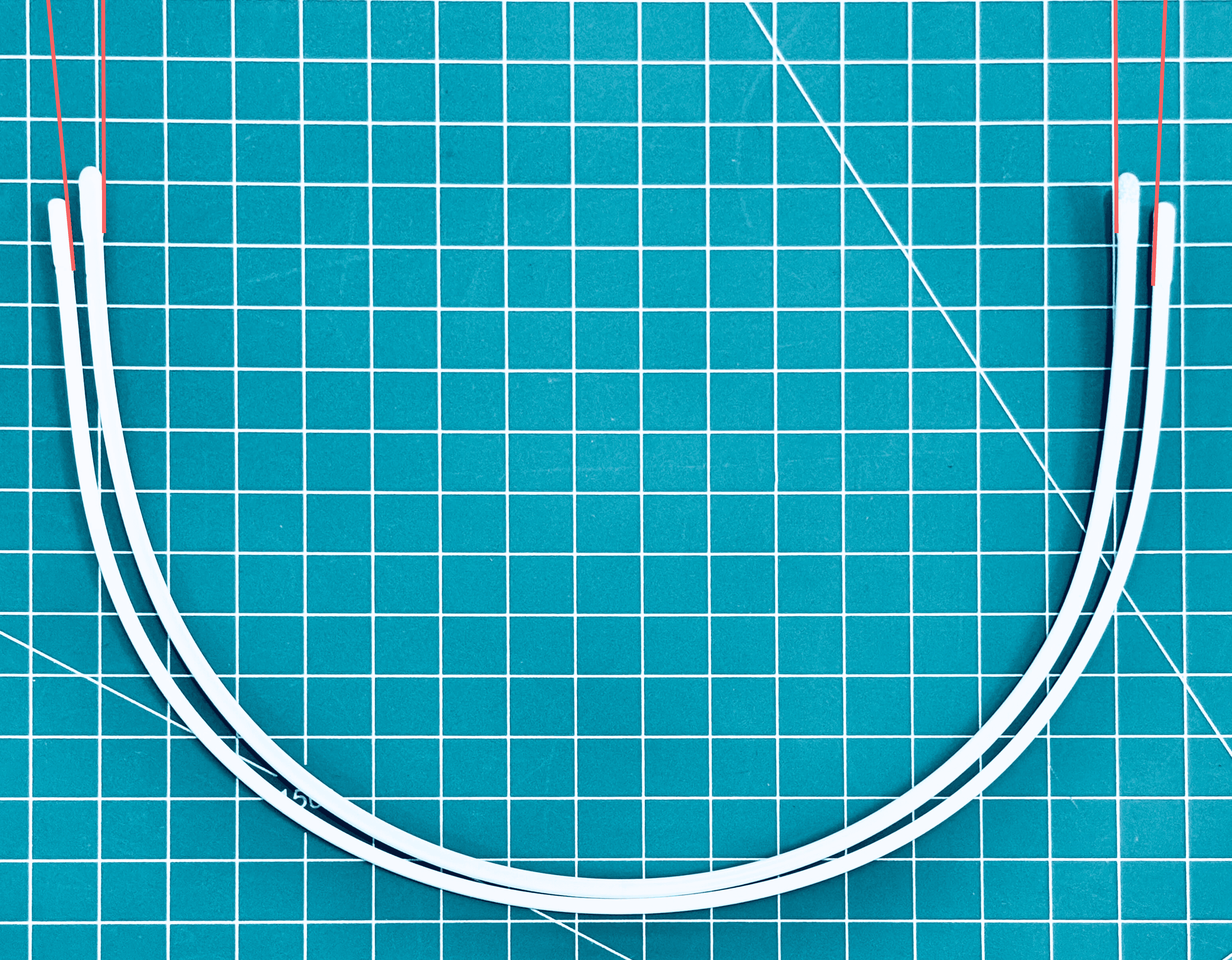
Fig 4a. BMS Super Long on bottom, U wire from full coverage RTW on top
Let’s focus on the longest style, the BMS Super Long, and compare it to a U wire from a full-cup ready-to-wear (RTW) bra. In Fig 4a, the RTW wire (size 42) is on top, with the BMS Super Long (size 44) below.
The RTW wire is a classic U wire with zero built-in splay, while the BMS Super Long has built-in splay. If you look closely at the image, you’ll see red lines (tangents) drawn at the wire ends. For the RTW wire, the lines are parallel and point straight up. In contrast, the BMS Super Long lines are slightly angled outward, indicating built-in splay.
Given that the material of the wire already tends to splay, this small built-in splay doesn’t significantly alter its function but serves as a visual cue, distinguishing it from a stiff, zero-splay wire.
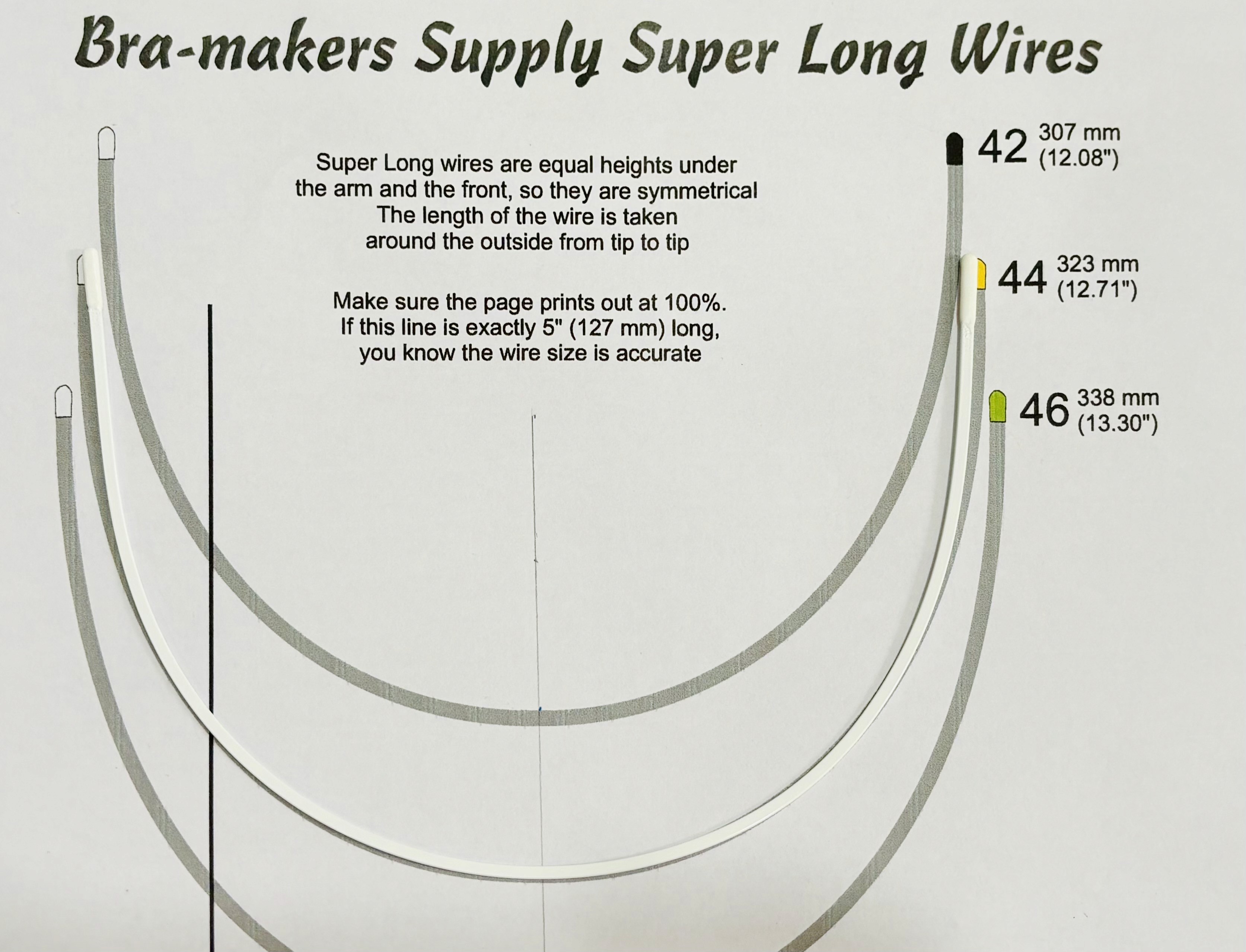
Fig 4b. BMS Super Long in Fig 4a on BMS Super Long wire chart.
Side note: BMS Super Long wire charts are excellent, the wirelines represent the classic U wire with zero built-in splay (unlike the wires). As we saw in Fig 4a, BMS Super Long wires have a slight built-in splay. It's a minor amount so the fact that it is not reflected in the chart doesn't really matter but I'm calling it out specifically cause I might use BMS Super Long wire charts as benchmarks for classic U wires (with no built-in splay) but remember, it’s the wirelines in the chart that serve as benchmarks, not the wires.
As discussed earlier, built-in splay increases as we move toward shorter wire styles, and the same applies to BMS U wires. In Fig 5, you can see that the BMS Long wire (at the top) has more built-in splay than the BMS Extra Long wire (at the bottom), which in turn has slightly more built-in splay than the Super Long wire we saw earlier.
Both the BMS Super Long and BMS Extra Long are well-suited for use in a full-cup bra like the Calliope. However, depending on your gore shape or in a pinch, the BMS Long wire can also work (although longer wires are better).
BMS Regular and BMS Short wires aren’t covered here, as they are too short for use in a full-coverage bra.
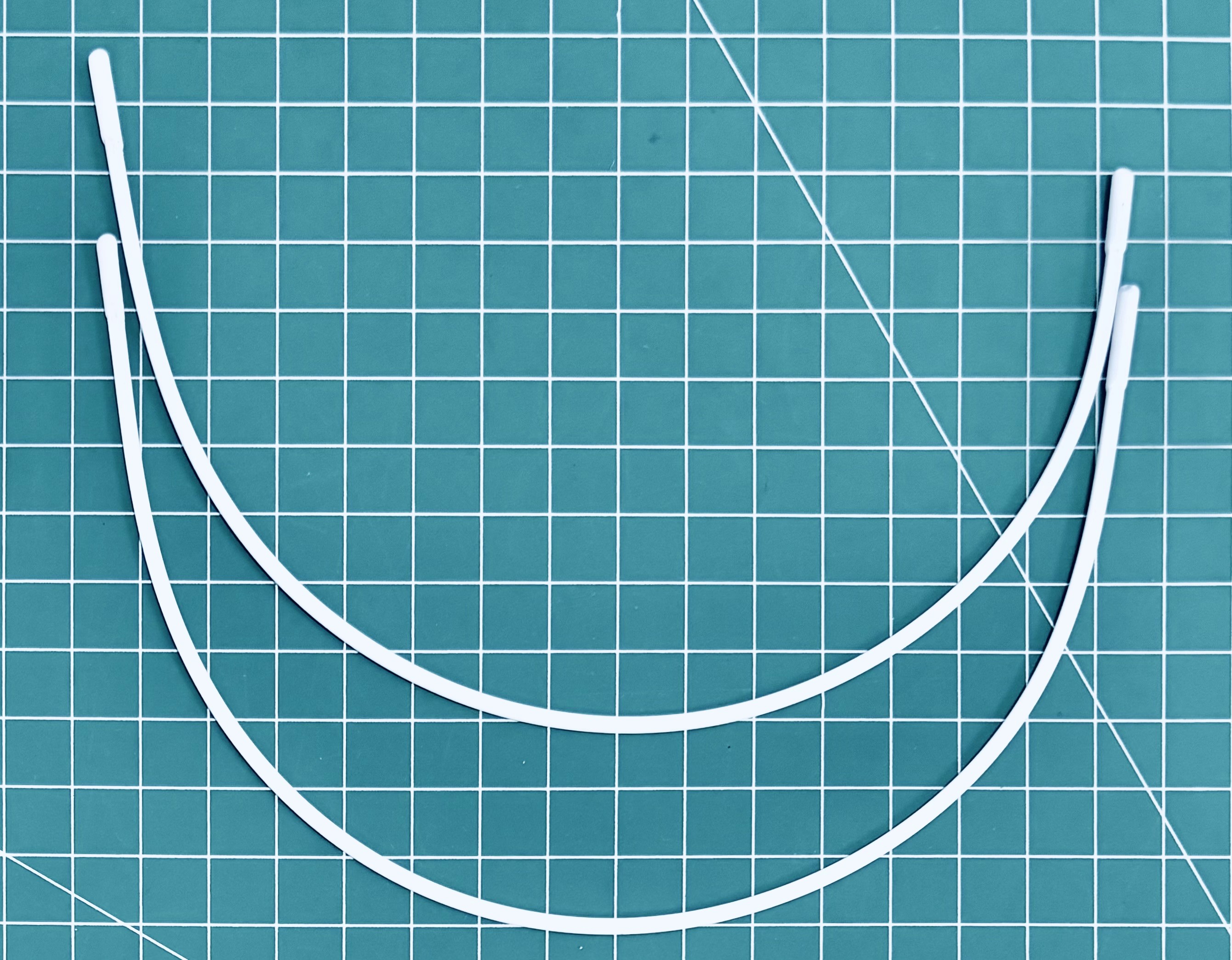
Fig 5. Bra-Makers Supply long wire (top) & extra long wire (bottom)
Emerald Erin also offers Universal wires in four styles, ranging from longest to shortest: Round, Orange, Plunge, and France. Some of these wires are essentially the same as those from BMS. For example, the Emerald Erin Round corresponds to the BMS Long, Orange matches the BMS Regular, and Plunge is equivalent to the BMS Short. As you might guess, the Emerald Erin Round can be used in the Calliope, but the others are not.
Wires for strapless:
We saw a Universal wire used in the RTW strapless bra (in Figs 1a & 2a), but none were discussed in available options. That’s because, as of this writing, I’m not aware of any on the market, especially those with proper wire charts and detailed specifications.
However, it’s important to remember that there’s only one key difference between a U wire suitable for a full-cup bra and one for a strapless bra: zero splay. A strapless bra wire should have zero built-in splay and be made from a stiff material with minimal capacity for splay. Extra width that wire splay adds at the top increases the risk of slipping. There’s a common misconception that both wire ends must be the same height but as you can see in Fig 1a, that’s not necessary at all. Also, the wire in Fig 1a is not a vertical wire! (For the longest time, I thought it was a vertical wire! But, upright wire ends simply means zero built-in splay. Lack of built-in splay does not mean its a Vertical wire.)
Naming convention (U wire, Universal wire):
We call these wire as Universal wire/ U wire as that seems the most appropriate but that's not the common name used for these wires. They in fact don't have a common name. You might have come across the name, U wire but that is used more often as an all encompassing term (including Vertical & certain other speciality wires we are yet to discuss). Universal wires of certain length (and with some splay) are called Regular wires and those without splay are called strapless wires but there is no standard name per se that covers this entire category. But, there really should be one and hence, we are calling these Universal wires/U wires.
Note on sizing:
Most Universal wires on the market, including those from BMS, Emerald Erin, and Porcelynne, adhere to industry-standard sizing. While there may be slight variations between brands, they are typically minimal. If you select a wire in size X (for example, size 42), it will have the same radius (of semi-circle) regardless of the brand. Even if you don’t specifically use “Universal wires,” knowing your Universal wire size is valuable as it serves as your base size.
Up next:
We haven’t even started on Vertical & other go-to wires for larger cup sizes! However, this post is already lengthy, so we’ll explore Vertical and Omega wires in the next one! Link to Part 2: Vertical & Omega
Meanwhile, we would love to hear your thoughts on this article. Do tell us below in comments…
Join our mailing list
Would you like to get notified of new posts?